
Clear pictures, clean sound and workflows your crew can rely on
We advise television and live media teams on camera chains, stage lighting, audio timing and control room operations, from the first floor plan to the last cable label.


A consultancy built on studio floors
eventulu is a Cambridge consultancy that has worked on broadcast technology and studio production since 2014. We advise studio managers, engineers and production teams who need their pictures, sound and gallery routines to behave the same way every day.
Helen Marchetti founded the company after a career in television engineering. Her background shapes how we work: we start by watching how a studio is actually used, then recommend changes that crews can adopt without disrupting the schedule.
Alongside consultancy, we publish practical guides on camera configuration, lighting, audio synchronisation and control room operations, written for people who have to make the equipment work on transmission day.
About →Teams across television and live media
Our work is aimed at people who run studios and live productions rather than at a single kind of organisation. Some need a new space planned, others need an existing gallery to run more smoothly. Each group below describes what it usually asks of us.
Television studio managers
Managers planning or refitting a studio need layouts, cable routes and control room placement that suit the programmes they actually make.
Broadcast engineers
Engineers responsible for camera chains, monitoring and signal paths look for careful matching, clear documentation and faults traced to their cause.
Live event production teams
Crews working on stages and live shows need lighting plots and camera setups that suit the venue, the power available and the running order.
Gallery and control room crews
Vision mixers, graphics operators and directors benefit from a written review of how their routines fit together under live pressure.
Post and playout operations
Teams handling mixers, embedders and playout chains want lip-sync and timing checked from source to transmission, with findings written down.
Training and development leads
Those responsible for crew skills ask for on-site sessions covering live routines, signal flow and fault finding, pitched at the team in the room.
From first conversation to a written plan
Every engagement follows the same plain sequence, so you know what is happening and what you will receive. We keep the steps short and the paperwork readable. Timings depend on the size of the studio and the access your schedule allows, and we agree them with you in writing.
Initial enquiry
You contact us through the contact page and describe the studio, the programmes it produces and the problem or project in mind. We read it carefully and reply with questions rather than assumptions, so the scope starts from your actual situation.
What you leave withA short written summary of what you have asked for and what we need to know.
Site visit and observation
We visit the studio or gallery, look at the equipment and cabling, and watch how the crew works during a normal session. Where possible we speak to operators, since they often know exactly where the day-to-day friction sits.
What you leave withOur notes on the space, the equipment and the working routines.
Measurement and review
We check camera matching, lighting levels, audio timing or workflow, depending on the service. Findings are tested against how the studio is used, not only against technical ideals, so recommendations stay practical for your crew.
What you leave withA set of measured findings, each tied to a specific part of your setup.
Written report and recommendations
We set out what we found and what we advise, in order of importance. The report separates changes you can make quickly from those that need budget or downtime, and we go through it with you in person or by call.
What you leave withA written report with prioritised recommendations and a quotation for any further work.
Handover and support
Where the engagement includes it, we help the team put changes into practice, through configuration work or an on-site training session. We leave clear documentation so the setup can be repeated by someone who was not in the room.
What you leave withDocumentation and settings your team can maintain without us.
What we can do for your studio
-
Studio Design Consultancy
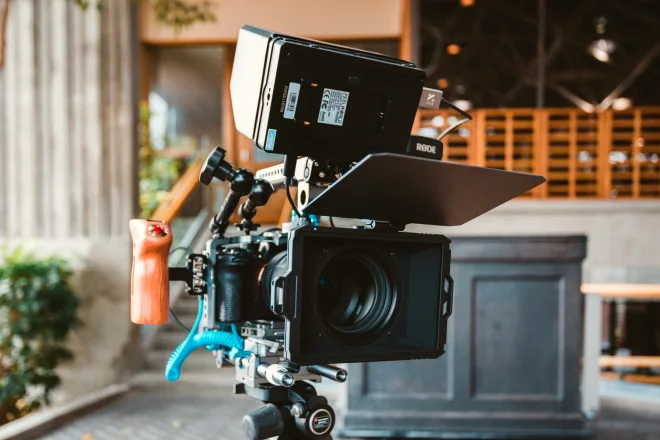
We plan the layout and equipment of television studios, from floor plans and cable routes to the placement of the control room, so that people and signals move through the space without obstruction.
Services → -
Camera System Configuration
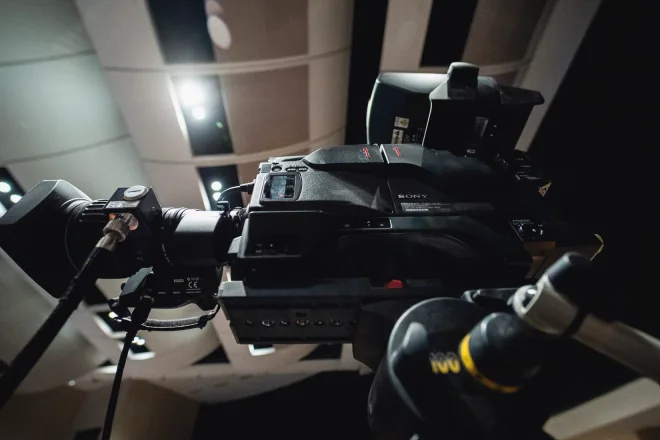
We set up and match studio and field camera chains, covering colour, framing and monitoring, so that shots from different cameras sit together on the programme output without constant correction.
Services → -

Stage Lighting Planning
We prepare lighting plots for studio sets and live stages that balance the look you want, the power available and what the cameras need, with rigs your crew can realistically build and strike.
Services → -

Audio Synchronisation Review
We check lip-sync, timing and signal paths across mixers, embedders and playout chains, then report where sound and picture drift apart and what to change to bring them back together.
Services → -
Control Room Workflow Audit
We review how your gallery team, vision mixer and graphics systems work together, and deliver a written audit describing the routines, the pressure points and the changes we recommend.
Services → -
Team Training Sessions
We run on-site workshops for crews covering live production routines, signal flow and fault finding, using your own equipment and pitched at the experience of the people attending.
Services →
Practical advice from people who know studios
We keep our advice grounded in how a studio is used day to day. These are the qualities clients tend to notice in how we work with them.
Services-
Clear written findings
Every review ends in a written document that names what we found, why it matters and what we advise, so decisions do not depend on memory.
-
Hands-on engineering
Our specialists have configured cameras, lighting and audio paths themselves, and they speak the same language as your engineers and operators.
-
Advice that fits the crew
We watch how your team works before recommending anything, so changes suit the people who will live with them every day.
-
Reliability first
We favour setups that behave the same way on every transmission, with safe power loads and documented settings over clever, fragile solutions.
Scenes from the kind of work we do
These pictures show the environments we spend our time in: studio floors, galleries and stages. Each reflects a part of the work, from camera matching to lighting plots and crew training.
-
Studio floor ready for a session
A television studio with cameras positioned around a set. Floor plans and cable routes decide how freely operators can move during a live programme.
-
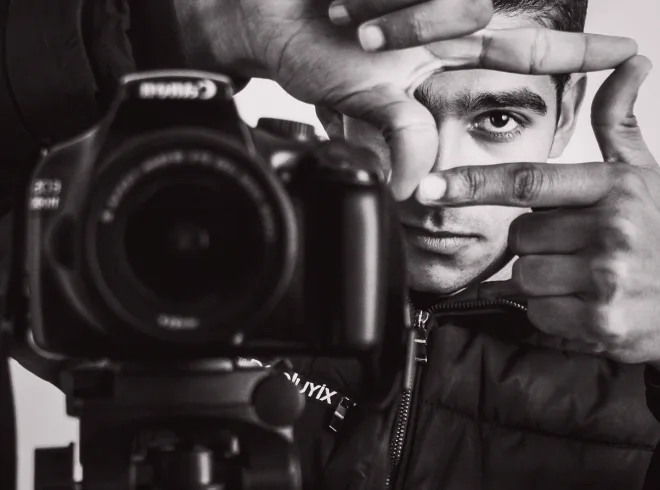
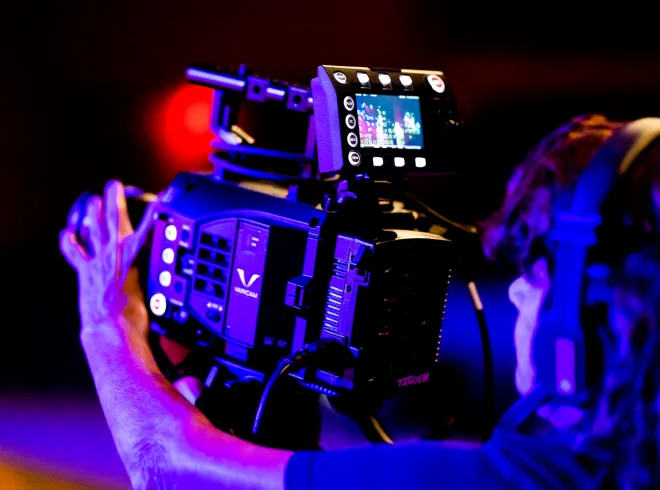
Camera matched at the pedestal
An operator checks framing and monitoring on a studio camera. Matching colour and framing between cameras keeps shots consistent when the director cuts between them.
-
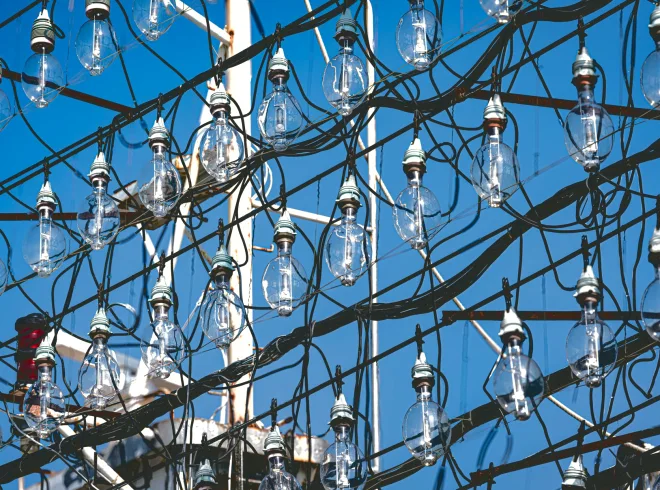
Lighting rig above a studio set
A rig of fixtures hangs over a set, planned around the look, the cameras and the power available, so the floor stays safe and the pictures clean.
-
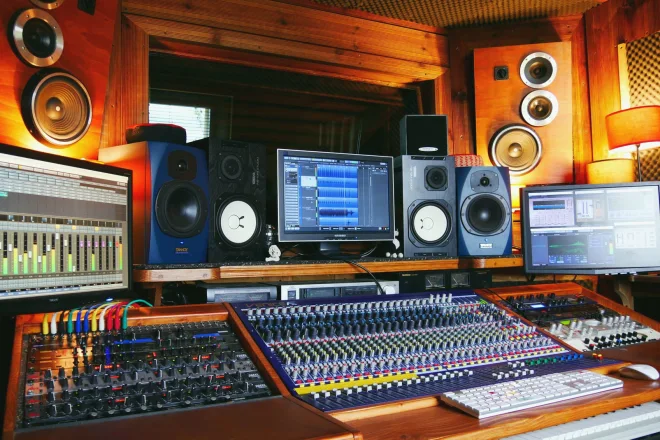
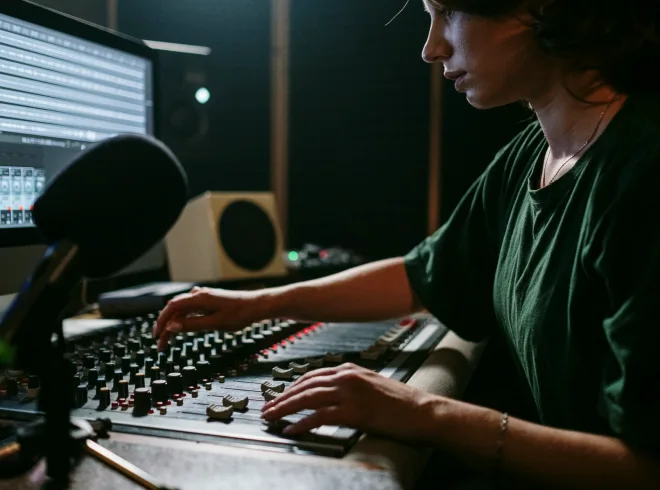
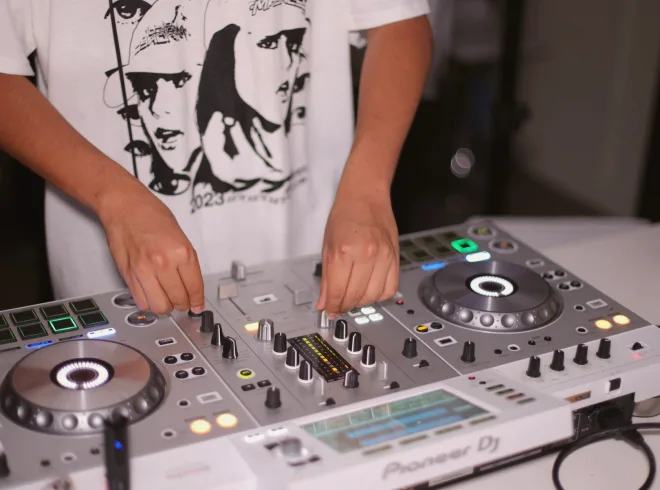
Audio desk in the gallery
A mixing console in a broadcast control room. Timing checks follow the signal from this desk through embedders and playout to confirm sound stays with picture.
-
Gallery crew at work
A director, vision mixer and graphics operator working side by side. A workflow audit looks at how these roles hand work to one another under live pressure.
-
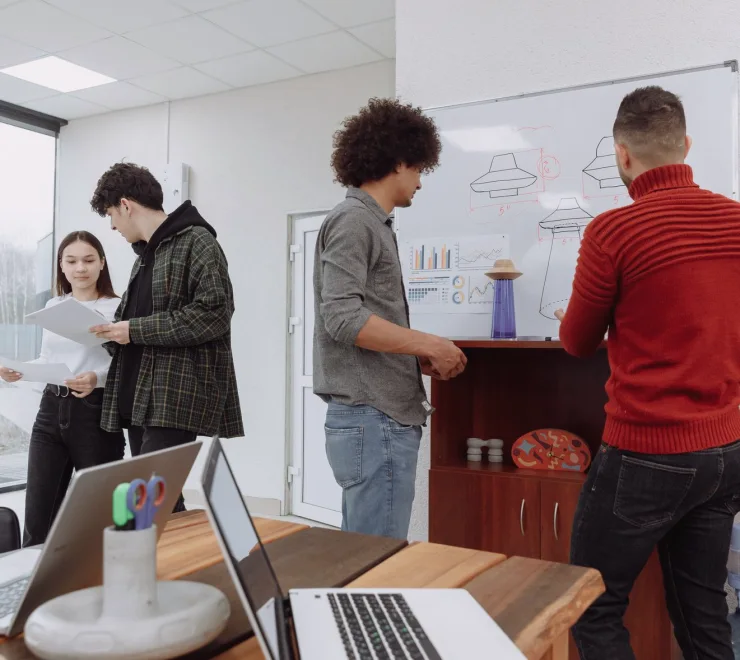
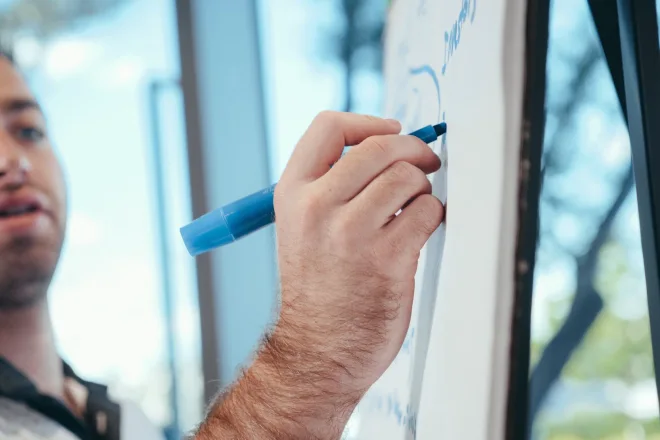
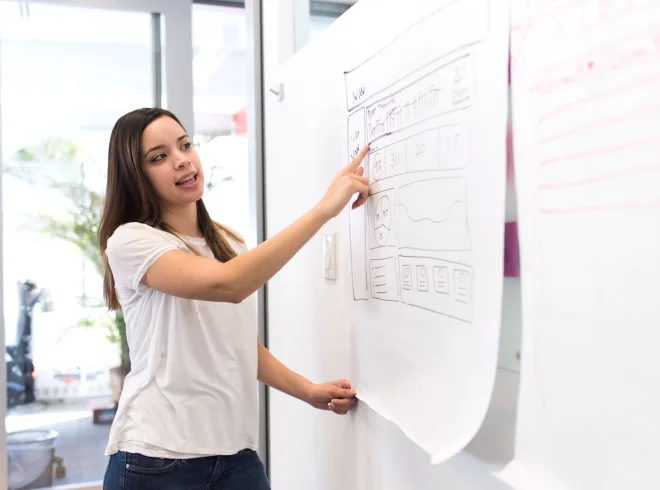
Crew workshop at the whiteboard
Engineers sketching signal flow on a whiteboard during an on-site session. Training uses the studio's own equipment so the lessons apply on the next live show.
Latest from the studio notebook
-
Training
Planning an On-Site Crew Workshop That Actually Sticks
A practical guide to setting up a training day for a studio crew: choosing what to cover, preparing the room, running the session and checking afterwards that routines have changed.
-
Workflow Audit
Before You Commission a Control Room Workflow Audit: A Checklist
A practical list of questions to settle internally before asking anyone to review how your gallery team, vision mixer and graphics systems work together, so the written review is useful.
-
Camera Systems
Camera Chain Setup: Six Mistakes That Cost Studios Time
Most camera matching problems start before the first cable is plugged in. This note lists the mistakes we see most often in studio and field camera chains, and the habits that prevent them.
Ask for a quote
- Phone
- 01223 480162
- Write to us
- [email protected]